When it comes to experiencing beautiful British Columbia, there’s one important question we need to ask ourselves: How will I leave this place better than I found it?
Several popular BC destinations are showing us what it means to, not only love a place, but to care for it too. From coastlines to alpine trails, these six communities are setting the pace with creative stewardship programs, cultural awareness campaigns, and boots-on-the-ground initiatives that invite everyone (visitors and locals alike) to be part of the solution.
Taking care in nature starts with taking responsibility for our actions and their impact, even close to home. Responsible travel means learning whose land you’re on, being well-prepared, leaving no trace, respecting wildlife, and practicing wildfire safety guidelines. These small actions help protect the lands, waters, and communities that welcome us.
Whether you're here for a day or a season, here are a few ways to experience like a local and leave these places better than you found them.
Whistler: Stewardship Starts With Planning Ahead
In Whistler, many passionate people are working hard to keep the town moving towards a sustainable future. As a popular year-round destination, the community is often bustling, so it’s important to plan ahead to reduce your impact and ensure a smooth Whistler experience. Leave the car at home if you can. With a walkable village centre, it’s easy to get around by biking, walking, public transit, and shuttles. Visit mid-week or during shoulder seasons when it is less busy. Book restaurants and activities in advance, and plan where to park before you arrive. Keep Whistler’s entrepreneurial spirit thriving and contribute to regenerative tourism by supporting local businesses.
These small actions align with the community’s Big Moves climate action strategy to reduce emissions, the community encourages guests to move beyond the car and embrace climate-conscious choices like reducing your waste. New this year: Reuse Whistler, a community-wide initiative that supplies returnable cups to help reduce single-use waste. Find out more about sustainability in Whistler.
Squamish: Rewarding Responsible Recreation
Responsible Recreation in Squamish
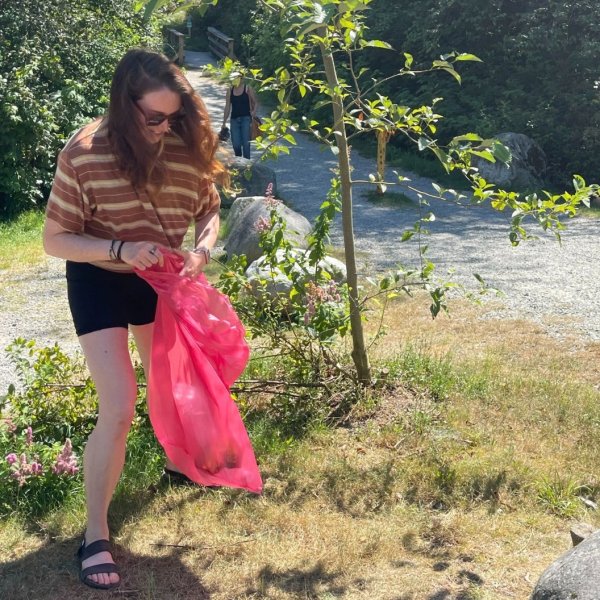
In Squamish, being a good guest means pitching in; sometimes literally. The Red Bag Program turns trail clean-up into a rewarding game. Pick up a free red bag from the Squamish Adventure Centre, collect litter in a Red Bag, then redeem it for local treats like ice cream, coffee, or beer.
The Destination Stewards Program, now in its fifth year, also plays a key role in responsible recreation, with a team engaging visitors at 17 high-traffic recreation areas every summer, from June to September. Local clean ups at popular lakes, like Cat and Levette Lakes, have lead to the removal of 250 kg (560 lbs) of litter.
With renowned mountain biking trails, world-class rock climbing, kiteboarding, backcountry touring, and hiking trails, Squamish is always an adventure hotspot. Review trail and highway updates on Drive BC, and always have a backup plan if your first parking choice is full. Visit mid-week or early mornings to enjoy quieter trails and avoid full parking lots. Extend your stay and wander at a slower pace. You’ll see more, stress less, and support local businesses. Check Know Before You Go resources. Local tourism businesses are also invited to participate in the Biosphere 101 Course to learn more about Átl'ka7tsem/Howe Sound UNESCO Biosphere Region, and share its global significance with travellers.
When you’re visiting the area, be sure to take all garbage and recycling with you, even if bins are full or not available. Always use restrooms or pack a WAG bag (a portable human waste bag) if facilities are limited.
Vancouver’s North Shore: Like a Local
Experience Vancouver’s North Shore, Like a Local. That means travelling safely, learning about the cultural history of the Sḵwx̱wú7mesh and səlilwətaɬ Nations, and making choices that reduce environmental impact.
Play Like a Local - Visit the great outdoors responsibly. To North Shore, Like a Local means to Play, Like a Local. This means to commit to staying safe while we have our fun, and always be aware of how our actions affect others. Learn about all the fun you can have in our amazing backyard (and how to stay safe while doing so!)
Learn Like a Local - Respect and acknowledge the rich cultural history of the Squamish and Tsleil-Waututh Nations. To learn like a local means to respect all cultures that reside here and to acknowledge that we are on the unceded traditional territories of the Sḵwx̱wú7mesh and səlilwətaɬ Nations, who have been here since time immemorial.
Love It Like a Local - Make sustainable choices and protect our natural surroundings.
To North Shore, Like a Local means to Love it, Like a Local. To have respect for the environment that gives us so much. Below are tips and resources on how to take care of the North Shore, Like a Local.
Take the North Shore Like a Local pledge and join the movement.
Sunshine Coast: A Collective Approach to Conservation
From lush rainforests to towering mountains and vast coastlines, the Sunshine Coast is full of ecological wonders; a treasure trove that needs protecting for generations to come.
As a starting point, travel during off-peak times - fall to spring! Operators have more capacity during that time, and you can help ensure businesses are thriving year-round.
A supporter of the Sustainable Tourism 2030 Pledge, the region also encourages visitors to reduce their footprint and choose low-impact and regenerative activities. You’ll find many ways to care for the community, from conserving water and low-emissions travel, to participating in Blueact Marine Society shoreline cleanups. When you experience the Sunshine Coast Community Forest or the Nicolas Sonntag TidePools catch-and-release aquarium, you are also supporting local efforts to preserve and protect nature.
Check out the Sunshine Coast 101 blog series, for more ideas for sustainability.
Hope: Community-Centered Stewardship
Hope Mountain Centre Gleaning Program
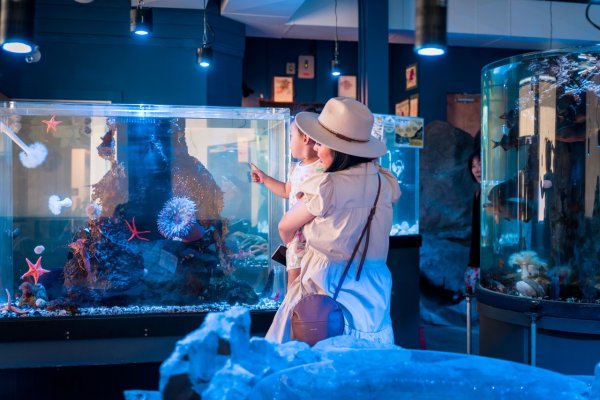
In Hope, you're not just passing through. You’re part of a collective effort to protect nature, culture, and community. Programs like the Gleaning Project reduce wildlife attractants and share fresh food with the community. The Hope Trail Stewards Program is a volunteer initiative that maintains and monitors popular trails like the Hope Lookout and Thacker Mountain. Visitors are encouraged to report trail conditions and pack out what they pack in. Interpretive signage highlights Indigenous history and local ecology. Also, many shops and eateries in Hope are family-run, so choosing local helps sustain the community and its character.
Hope is a small community that is surrounded by vast nature. Guests are invited to respect local wildlife corridors, be river-wise, and stay on marked paths. Hope is home to black bears, deer, and other wildlife. Keep dogs leashed and avoid feeding or approaching animals. The Coquihalla and Fraser Rivers are beautiful but powerful. While it might be tempting, avoid swimming in fast-moving water.
Surrey: Bee the Change
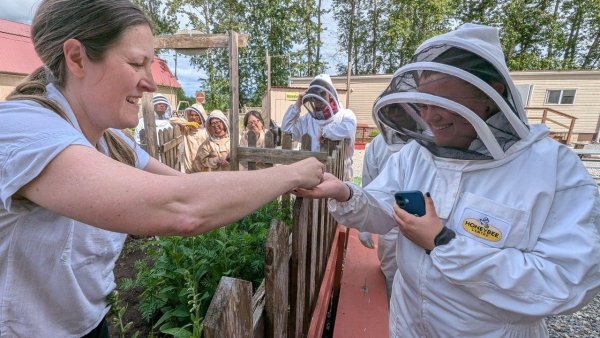
At Surrey’s Honeybee Centre, it begins with the tiny workers that are essential for our ecosystem. This family-owned centre, operating for over 20 years, offers programs like Honeybees 101, beginner beekeeping courses, and maker workshops such as beeswax candle making or lip balm, where visitors can get a hands-on introduction to native pollinators, biodiversity, and the role of bees in local food systems.
With over 800 parks, a scenic coastline, and vibrant community gardens, Surrey is full of nature ready to be explored. A stop at the Honeybee Centre is a meaningful way to experience the city while learning about how to make the land better than how you found it. Every flower, bee, and puddle has a purpose, and being part of the ecosystem starts with simple actions.
- Skip the Flower Picking: Flowers are food for pollinators. This ensures not only bees, but butterflies, and insects get the nourishment they need to support our wider ecosystem
- Stay on Pathways: Avoid stepping into pollinator habitat, even the smallest patch of clover or wildflowers matters.
- Plant Bee-Friendly Flowers at Home: Create your patch of pollinator paradise to support local biodiversity in your own community.
Love it? Respect it.
These communities are living proof that small actions add up to big changes. When you tread lightly, respect local culture, and lend a hand, even just by picking up a piece of trash, you help ensure these places can thrive for years to come.
Visit our resources and find practical tips for being part of the solution.
Essential Resources

General
- BC AdventureSmart
- BC Parks - Homepage
- CWSAA - Alpine Responsibility Code
- BC Parks - Responsible Recreation
- Hello BC - How to Travel Safely & Responsibly
- Indigenous Tourism BC - How to Travel Responsibly
- Leave No Trace
- Outdoor Recreation Council of BC - Recreate Responsibly
- Recycle BC - Pack Lean Leave Clean
- RecycleBC - Pack Lean Leave Clean - Toolkit
- Wilderness Tourism BC - ExploreWildBC Pledge
- BC Parks - KBYG Toilet Edition
- BCSARA - Outdoor Education
- Invasive Species Council of BC - Play Your Part
- Tourism Squamish - Responsible Recreation
- Tourism Whistler - Responsible Travel
- Vancouver North Shore - Know Before You Go
- Fire & Ice Aspiring Geopark
- Átl'ka7tsem/Howe Sound Biosphere
- Adventure Hub - BC Search & Rescue Association
- AdventureSmart Trip Planning App
- BC Wildfire Service App

Boating & Watersports
- Boating BC - Safe Boating
- Freshwater Fisheries Society - Responsible Fishing
- BC Marine Trails - Code of Conduct
- BCSARA - Outdoor Education
- Invasive Species Council of BC - Boaters
- Whale Wise
- Squamish Windsports Society
- BC Marine Trails
- AdventureSmart Water Safety
- AdventureSmart Trip Planning App
- Vancouver Aquarium Marine Mammal Rescue Society
- Paddle BC

Camping
- Camper's Code
- WildSafeBC - Bare Campsite Program
- Outdoor Recreation Council of BC - Recreate Responsibly
- BC Parks - Stay Safe in Bear Country
- BC Parks - Campfire Bans & Safety
- BC Parks - Backcountry Visitor Guide
- BC Gov - Know the Rules for Rec Sites & Trails
- BCSARA - Outdoor Education
- Invasive Species Council of BC - Campers
- AdventureSmart Trip Planning App

Motorsports and Offroading

Fishing

Hiking
- BC AdventureSmart
- CWSAA - Alpine Responsibility Code
- Outdoor Recreation Council of BC - Recreate Responsibly
- BC Parks - Backcountry Visitor Guide
- BC Gov - Know the Rules for Rec Sites & Trails
- BCSARA - Outdoor Education
- Invasive Species Council of BC - Play Clean for Hikers
- AdventureSmart Trip Planning App

Mountain Biking
- Mountain Bike BC - Ride Respectfully
- Outdoor Recreation Council of BC - Recreate Responsibly
- BC Parks - Backcountry Visitor Guide
- BC Gov - Know the Rules for Rec Sites & Trails
- BCSARA - Outdoor Education
- Invasive Species Council of BC - Mountain Bikers
- Pemberton Off-Road Cycling Association
- Squamish Off-Road Cycling Association
- Whistler Off-Road Cycling Association
- North Shore Mountain Bike Association
- AdventureSmart Trip Planning App

Pets

Skiing & Snowboarding

Target Shooting

Wildlife
Related Impacts

1 Garbage And Human Waste
The improper disposal of human waste and garbage is harmful to humans, the environment, and wildlife.
- Kilograms of trash removed by Divers for Cleaner Lakes and Oceans since 2013
- 29,188
- Face masks collected by Vancouver plogger David Papineau
- 40,000

2 Human-Wildlife Conflict
People and pets getting too close to wildlife can lead to conflict, injury, and death.
- BC Parks reservations impacted by bear closures in 2024, up from 106 in 2023
- 128
- Number of black bears euthanized in BC in 2025, down from 303 in 2024
- 211

3 Unsafe Behaviour, Lack Of Preparedness
Unprepared outdoor adventurists put themselves and others at risk of becoming a Search & Rescue or death statistic.
- Volunteer hours spent annually on SAR call-outs, training, administration and SAR prevention in 2022
- 441,019
- Search and Rescue incidents per year in BC
- 1940

4 Lack of Respect - People & Environment
From trampling on trails to human-caused wildfires, disrespectful behaviour is creating conflict between user groups and damage to the environment and communities.
- Percentage of human-caused wildfires in BC, down from 42% in 2023.
- 30%

5 Trespassing & Disrespectful Use
Disrespect for sensitive ecosystems, Indigenous land, cultural sites, and private property, is hurting communities, wildlife and the environment

6 Overcrowding, Overuse & Traffic
Increased visitation is causing traffic woes, parking issues, overcrowding, and overuse in recreational areas and urban environments.